
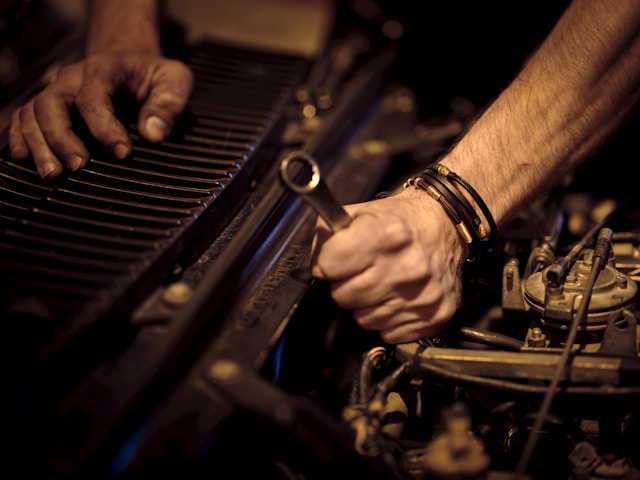
A Comprehensive Guide to Car Maintenance and Collision Care
Investing time in your vehicle’s regular maintenance is no less than investing in your safety and the longevity of your car’s life. Time and effort spent on maintenance bring substantial savings by deflecting expensive breakdowns. Periodic services ensure parts are evaluated and replaced timely, particularly those susceptible to wear such as timing belts and spark plugs. To illustrate, consider how tire rotation and alignment optimize fuel efficiency and minimize hazardous tire blowouts, ensuring a smoother and safer ride.
Recognizing When Your Car Needs Professional Attention
For responsible car owners, attentiveness to their vehicle’s condition is non-negotiable. A sudden change in the engine tone decreased fuel efficiency, or the emergence of dashboard warning lights all warrant an inspection by a proficient mechanic. These could be harbingers of significant malfunctions that, if disregarded, might evolve into dangerous situations or costly damages. Specifically, conducting a comprehensive check after rough driving conditions or collisions becomes even more imperative, as the consequential damages might surface after some time.
For those seeking professional intervention, it’s crucial to elect services like a renowned auto body shop Denver, CO, where expertise and experience ensure that vehicles return to their prime condition. Facilities equipped with state-of-the-art tools and skilled technicians play an instrumental role in comprehensive and systematic vehicle restoration.
How to Choose the Right Collision Repair Shop
When choosing a collision repair shop, your choice will significantly affect the restoration and safety of your vehicle. Certifications from Automotive Service Excellence (ASE) or vehicle manufacturers indicate high professionalism and adherence to strict industry standards. Reading through customer testimonials and querying local consumer organizations about a shop’s reputation can provide insights into the quality of service expected. It’s about ensuring peace of mind by trusting your vehicle with a facility that employs a transparent process and delivers craftsmanship.
The Role of Preventive Maintenance in Avoiding Collisions
It’s well-established that preventive maintenance doesn’t just improve your vehicle’s lifespan—it’s a crucial influencer on road safety. Tending to your brakes, ensuring your tires have adequate tread, and all lights are functional drastically reduces the likelihood of accidents. For instance, worn brake pads or lessened brake fluid can impede your stopping power, creating a potential for collisions. Similarly, tire integrity ensures better road grip, particularly in adverse weather conditions thereby mitigating the chances of losing vehicle control.
Understanding the Collision Repair Process
Dealing with the aftermath of a collision can be stressful. The process begins with damage assessment, where technicians pinpoint superficial and hidden issues. From there, they meticulously repair or replace damaged components and panels, match paint colors seamlessly, and ensure the vehicle’s alignment is perfected to factory specifications. This integrated, multi-step restoration is crucial, and it reinforces the sentiment of the Insurance Institute for Highway Safety, which attests that OEM parts often offer better safety and fitment than aftermarket alternatives.
Post-Collision: Importance of Following Professional Recommendations
Technicians undertake a detailed journey in restoring a vehicle, so when they provide post-repair recommendations such as alignment inspections or timeframes for paint cure, these must be heeded. These recommendations ensure your car remains reliable long after the repair work is completed, safeguarding you and your vehicle from future vulnerabilities caused by overlooked complications from the accident.
Maintaining Your Vehicle After Professional Repairs
Maintaining a vehicle after it has undergone professional repairs is as crucial as the repair itself. Establishing and sticking to a tailored maintenance plan based on your car manufacturer’s guidelines prevents the reoccurrence of problems. The diligence of performing basic tasks like checking fluid levels and tire pressures and routinely observing changes in the vehicle’s performance can make a marked difference in sustaining any intricate work done by your collision repair professionals.
Moreover, as research highlights, car maintenance isn’t just a technical responsibility but about adopting good habits. Being proactive in managing maintenance tasks like fluid checks and part inspections can be the barrier between the smooth operation of your vehicle and a slew of preventable issues that lead to depreciation and a decrease in performance over time.

