

What Happens At A Colorado Arraignment
Table of Contents
- Understanding the Arraignment Process
- Setting Bail and Bond Conditions
- Importance of Legal Representation
- Potential Outcomes Post-Arraignment
- Recent Developments in Colorado Arraignments
- Conclusion
Facing criminal charges can be confusing and stressful, especially if you have never experienced the Colorado legal system before. The arraignment is likely one of the first formal steps you will face as a defendant. Knowing what happens at this early phase can help reduce some of the uncertainty and prepare you to protect your rights. Navigating these proceedings with the insights provided by martinlawfirmpc.com can assist defendants and their families as they take these crucial first legal steps.
An arraignment not only introduces you to the charges against you, but also sets the stage for what to expect throughout your criminal case. Anyone charged with a crime in Colorado should understand the structure and significance of the arraignment process so they are not caught off guard and can make informed choices at every step.
The information below will help you anticipate what is ahead if you or a loved one faces arraignment in Colorado. Understanding this process is vital, as it shapes the subsequent phases of the legal journey, including how the court might address bail, the advice you need from legal counsel, and potential case outcomes. For more guidance on this process, reputable sources like the NOLO Colorado criminal court overview offer in-depth guidance.
Understanding the Arraignment Process
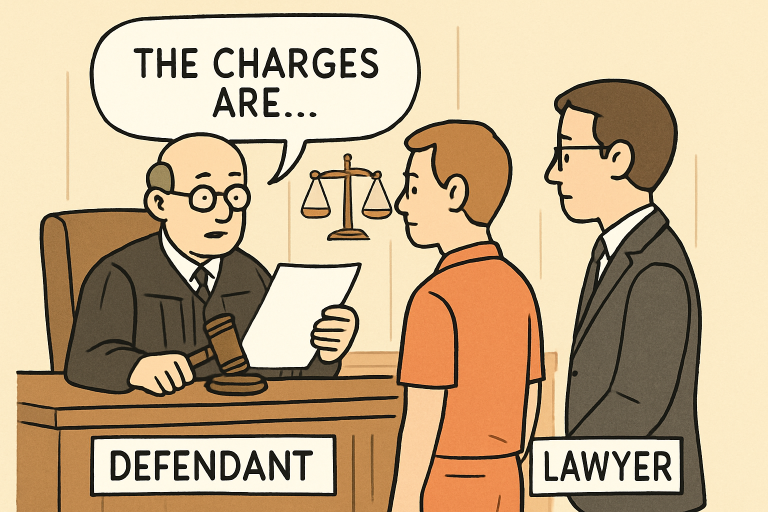
In Colorado criminal cases, an arraignment is the court proceeding in which a defendant learns the specific accusations against them and hears their enumerated rights. This hearing typically occurs soon after charges are filed and serves several essential purposes:
- Reading of Charges: The judge formally announces the criminal allegations and the relevant statutes.
- Advisement of Rights: The court reminds the defendant of fundamental rights, such as the right to an attorney, the right to remain silent, and the right to a speedy trial.
- Entry of Plea: At this stage, the defendant must decide whether to plead guilty, not guilty, or, in rare cases, no contest.
While felony defendants are generally required to appear in person, those facing certain misdemeanor charges may have their attorney appear on their behalf. This distinction underscores the serious nature of felony cases and the critical choices presented at arraignment.
Setting Bail and Bond Conditions
One primary function of the arraignment is the possibility of setting or reviewing bail. The presiding judge takes several factors into account when deciding whether to set bail and, if so, how much:
- The seriousness of the criminal allegation
- A defendant’s past criminal record or prior failures to appear in court
- The defendant’s ties to the community and the perceived risk of flight
Defendants facing non-violent or minor charges who have established community ties might receive release on their own recognizance, meaning no bail money is required. Still, courts often impose monetary or non-financial conditions of release when warranted.
Importance of Legal Representation
Legal counsel is particularly important during the arraignment phase. An attorney can offer critical counsel on the most strategic plea decision, advocate for suitable bail conditions, and initiate a case defense. Lawyers also ensure your rights are respected and that the prosecution follows the appropriate procedure.
- Consulting an experienced attorney from the outset helps defendants avoid self-incrimination and respond appropriately to criminal allegations.
- When financial hardship is an issue, defendants may ask the court for a public defender, which guarantees legal representation regardless of income.
Potential Outcomes Post-Arraignment
Once the arraignment concludes, the court process continues according to the plea entered:
- Plea Bargaining: In many cases, both sides may negotiate to resolve charges without proceeding to trial, also known as plea agreements.
- Pre-Trial Motions: Attorneys can file motions to exclude evidence, dismiss charges, or otherwise clarify the boundaries of a trial if the case continues.
- Trial: When neither a plea deal nor dismissal occurs, the criminal case moves forward to a judge or jury trial to determine guilt or innocence.
The outcome of these phases will significantly impact the defendant’s future, either resolving the matter with a negotiated plea or presenting the facts before a court in a full trial. For comprehensive details on how criminal cases progress after arraignment, you can refer to this Colorado judicial court handout.
Recent Developments in Colorado Arraignments
It is critical for anyone charged with a crime to stay informed about policy and procedural changes that can affect how their case is handled. In recent years, some Colorado counties have changed how certain defendants are processed, especially non-citizens and those in immigration detention. For example, shifts in detention and court appearance procedures have created new logistical and legal challenges for many defendants. For up-to-date news, see coverage from Colorado Public Radio.
Conclusion
A Colorado arraignment marks a critical first stage in the criminal justice process for anyone facing charges. During this hearing, the accused is formally informed of the allegations, advised of constitutional rights, and asked to enter an initial plea. Decisions made at arraignment can affect bail or custody status, appointment or retention of legal counsel, and future court deadlines. By understanding what occurs at this stage, defendants can respond strategically, avoid missteps, protect their rights, and begin building an effective defense plan to achieve the most favorable resolution possible under Colorado law and procedure.

