
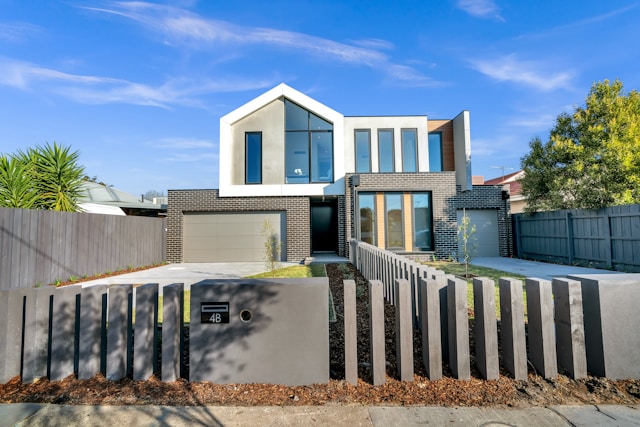
The Art and Science of Crafting Perfectly Balanced Fences
Fence crafting is a discipline that merges artistry with scientific principles. It requires choosing appropriate materials, designing a structure that complements the area, and guaranteeing longevity. A properly constructed fence can offer seclusion, enhance the property’s visual appeal, and even boost security. The procedure demands meticulous planning, accurate measurements, and careful attention to detail. Selecting the right wood, metal, or other substances ensures the fence endures over time.
When it comes to installation, the foundation of the fence is key. Proper installation requires knowledge of local weather conditions, soil types, and fence design. If you’re looking for reliable service, fence installation Lake County IL offers professional expertise to create balanced and lasting fences. Ensuring proper alignment and secure posts will make a significant difference in the stability and appearance of the finished wall, regardless of the materials used.
Materials Matter: Choosing the Right Components
Choosing the right material is fundamental in constructing a durable and aesthetically pleasing fence. Traditional materials like wood are favored for their natural beauty and versatility. However, wood requires significant maintenance, weather sealing, and periodic staining to prevent rot and decay. Metal options, such as wrought iron and aluminum, offer a sturdy alternative, boasting resistance to environmental damage and long life spans. While they require a bigger upfront investment, metals can be customized to suit various aesthetic styles, ranging from intricate Victorian designs to streamlined modern looks. Composite materials, which merge polymers with wood fibers, are becoming increasingly favored due to their eco-friendliness and minimal maintenance needs. Unlike pure wood or metal, composites resist warping and rotting and come in various finishes, providing the visual appeal of wood with added durability. Incorporating eco-friendly materials is also rising, prompting traditional builders to reconsider their choices and look for visually appealing and sustainable options.
Design Principles: Balancing Form and Function
Building a fence involves more than deciding on materials; it balances beauty with utility. Effective fence design should consider privacy needs, security concerns, and local architectural styles. For example, a garden fence might focus more on visual appeal and unite seamlessly with the landscape, while a perimeter fence for a business might prioritize security and visibility.
The challenge lies in integrating practical considerations, such as height and structural support, with visual elements like color, texture, and form. Designers often work to ensure that fences are both aesthetic complements to their settings and functional, providing a sense of privacy while enhancing the property’s overall look.
Environmental Considerations in Fence Building
As awareness of environmental impact grows, fence building is being approached with an eye toward sustainability. Using environmentally friendly building materials is one of the most effective ways to lessen the ecological footprint of fence construction. Materials like reclaimed wood, bamboo, or recycled composites are sustainable and offer unique aesthetic characteristics that traditional materials lack.
Some projects have embraced sustainability by creating living fences and incorporating plants directly into the fence structure. These green fences not only improve local air quality and provide habitat for wildlife but also blend harmoniously with natural surroundings, showcasing the potential of nature-inspired design.
The Role of Technology in Modern Fences
Technological advancements are reshaping what is possible in fence design and function. Today’s fences often come equipped with integrated security systems featuring surveillance cameras, motion detectors, and alarm technologies that offer enhanced protection for residential and commercial properties. Automated gates with remote controls or smart devices add convenience and sophistication.
The use of technology is not limited to security features. Design software allows homeowners and architects to visualize complex designs before construction begins, ensuring that the final product meets aesthetic expectations and functional requirements. Thus, technology catalyzes innovation and is a tool for precision in fence creation.
Maintenance Tips for Long-lasting Structures
Maintaining a fence’s integrity and appearance requires regular care. Wooden fences demand particular attention, needing treatment to prevent weathering and pest infestation. Applying sealant and checking for rot or deterioration can considerably increase the lifespan of wooden fences. Generally more resilient, metal fences benefit from rust prevention and sporadic paint touch-ups to maintain their finish.
Composite fences offer the advantage of minimal maintenance requirements, as they resist many common problems like rot and fading. Nevertheless, regular cleaning to remove dirt and debris will keep them looking new. Adherence to a maintenance routine helps preserve the fence’s functionality and aesthetic appeal, irrespective of the material.

