

The Hidden Dangers of Driver Fatigue in the Trucking Industry
Key Takeaways
- Driver fatigue significantly increases accident risks in the trucking industry.
- Understanding the main causes and impacts of fatigue is vital for both drivers and companies.
- Effective regulations, technology, and proactive strategies can help mitigate fatigue-related incidents.
Table of Contents
- Understanding Driver Fatigue
- Common Causes of Fatigue Among Truck Drivers
- The Impact of Fatigue on Driving Performance
- Regulatory Measures to Combat Driver Fatigue
- Technological Solutions for Fatigue Detection
- Preventive Strategies for Drivers
- Conclusion
Understanding Driver Fatigue
Driver fatigue is a critical concern in the trucking industry, increasing the risk of collisions and endangering lives on the road. While laws and safety campaigns seek to address this threat, drivers still face immense challenges that compromise their alertness. Factors like heavy workloads, stress, long routes, and inconsistent work hours often contribute to exhaustion and drowsiness behind the wheel. According to research highlighted by the National Institute for Occupational Safety and Health, fatigue impairs a driver’s cognitive and motor functions, raising the potential for devastating accidents. The repercussions of fatigue extend beyond immediate safety threats, influencing long-term driver health and even the efficiency of freight operations. Awareness, prevention, and effective countermeasures are critical for building a safer workplace for trucking professionals. Proactive steps toward preventing sleep-deprived driving help reduce not only the frequency but also the severity of roadway incidents.
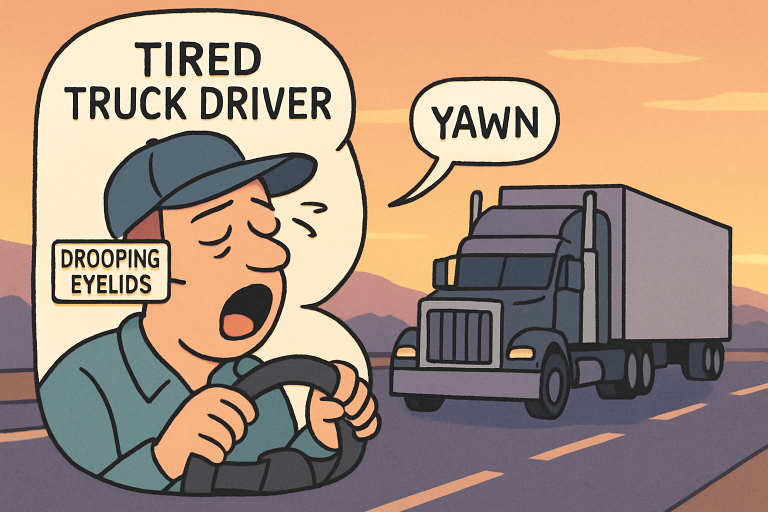
Signs of fatigue include yawning, trouble keeping eyes open, and concentration issues. These symptoms develop gradually and, if ignored, can lead to tragic outcomes. Understanding causes and interventions helps drivers and fleet managers take proactive action. Addressing fatigue is not just about compliance but an investment in safety and performance. Since trucking is vital to supply chains, mitigating fatigue benefits the public and ensures safe delivery. While regulations and technologies help, lasting progress depends on fostering a safety and wellness culture among professionals. Implementing rest guidelines and using alertness monitoring systems are key steps toward a safer industry.
Common Causes of Fatigue Among Truck Drivers
- Extended Driving Hours: The pressure to meet delivery deadlines often leads some drivers to exceed regulated driving limits, resulting in cumulative exhaustion.
- Irregular Sleep Patterns: Changing schedules and overnight shifts disrupt natural sleep cycles, depriving drivers of the restorative rest they need.
- Poor Sleep Quality: Sleeping in the cab of a truck or in noisy, unfamiliar environments can make it difficult to achieve deep, restful sleep.
- Use of Stimulants: Reliance on caffeine or other substances can mask fatigue temporarily but typically causes an energy crash later, perpetuating the cycle of tiredness.
The Impact of Fatigue on Driving Performance
Fatigue poses serious hazards to a driver’s performance and judgment. Reaction times slow considerably, which can be catastrophic in situations requiring quick maneuvers. Drowsy drivers may also experience tunnel vision, lapses in attention, or even brief periods of micro-sleep, which can happen without warning. Decision-making abilities become impaired, making it easy to misjudge distances, ignore traffic signs, or commit errors with severe consequences. Studies by the National Highway Traffic Safety Administration (NHTSA) indicate that fatigue is a factor in thousands of trucking accidents each year. These incidents not only endanger the life of the driver but also put other road users at significant risk.
- Reduced Reaction Time: Delays in responding to obstacles or sudden changes in traffic amplify the likelihood of collisions.
- Impaired Judgment: Fatigue can lead to errors, such as misjudging the speed and distance of other vehicles.
- Decreased Attention: Drivers may drift between lanes, fail to see hazards, or miss vital cues from the road environment.
Regulatory Measures to Combat Driver Fatigue
Regulations play a pivotal role in combating driver fatigue. The Hours of Service (HOS) rules, enforced by the Federal Motor Carrier Safety Administration, limit the maximum hours a commercial truck driver may operate without rest. These regulations mandate not only daily limits on driving time but also specify obligatory rest breaks and minimum off-duty hours to promote sufficient sleep. Mandatory rest breaks serve to counteract fatigue by giving drivers opportunities to refresh their concentration. Many fleets also run internal fatigue management programs, teaching the importance of regular sleep schedules, recognizing signs of tiredness, and strategies to manage workload more safely. These combined efforts represent crucial barriers against the threat of driver fatigue.
Technological Solutions for Fatigue Detection
The rise of technology in the trucking sector has brought sophisticated tools to detect and prevent fatigue-related incidents. Modern trucks are often equipped with driver monitoring systems that assess behavioral and physiological indicators of drowsiness. These systems can issue alerts when a driver’s attention wanes or when irregularities, such as lane drifting, are detected. Wearable devices that track heart rate and sleep quality can supplement these onboard systems, enabling drivers to manage their rest more proactively. Fleet managers can also use telematics and predictive analytics to identify risky driver patterns and intervene when necessary. This marriage of data and real-time observation supports strategies that foster both compliance and genuine well-being.
Preventive Strategies for Drivers
- Prioritize Sleep: Strive for seven to nine hours of high-quality rest before embarking on long hauls.
- Maintain Consistent Sleep Schedules: Keeping regular sleep and wake times, even while on the road, can help align the body’s circadian rhythm for better alertness.
- Take Regular Breaks: Short, frequent rest periods during extended driving stints help maintain concentration.
- Avoid Stimulants: Over-reliance on caffeinated products or other stimulants may disrupt natural sleep and lead to a cycle of fatigue and energy crashes.
Taking a comprehensive approach to fatigue management is critical. In addition to personal habits, collaboration with employers and engagement in training programs can further reduce risks and build a culture of health and safety within the industry.
Conclusion
Driver fatigue presents a persistent and serious hazard in the trucking industry. The stakes are high, with threats to personal safety, cargo security, and the welfare of all who share the highways. By understanding underlying causes, observing best practices, and leveraging innovative technology, both trucking companies and drivers can reduce the chance of fatigue-related accidents. Ongoing education and unwavering commitment to safety remain essential to progress, safeguarding lives and promoting a culture where well-being is always prioritized.

