
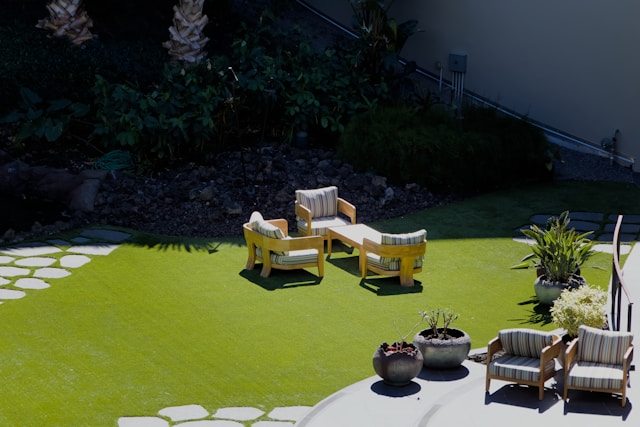
How to Transform Your Garden with Tropical-Inspired Landscaping
Table of Contents
- Introduction to Tropical-Inspired Landscaping
- Choosing the Right Tropical Plants
- Designing a Lush Oasis
- Maintaining Your Tropical Garden
- Incorporating Water Features
- Lighting Your Tropical Garden
- Creating Sustainable Landscapes
- Inspiring Real-Life Examples
Transforming your garden into a tropical-inspired paradise is an exciting venture that opens possibilities for creating a lush and serene outdoor space. By thoughtfully selecting decorative palm trees and other tropically inspired plants, you can emulate the tranquility and vibrancy of the tropics in your backyard. Whether you are an experienced gardener or a beginner, integrating these elements can breathe life into your landscape and create a peaceful retreat that feels like a vacation spot right at home.
From choosing the proper flora to designing an oasis that enhances your home’s ambiance, tropical-inspired landscaping combines aesthetics with functionality. The key is to blend these components seamlessly, considering factors like your local climate, soil conditions, and garden size for maximum effect. By doing so, you ensure not only the visual appeal but also the sustainability of your garden. Read on to explore comprehensive strategies for achieving a stunning tropical garden that stands the test of time and becomes a personal haven.
Introduction to Tropical-Inspired Landscaping
Tropical landscaping is about creating a warm, inviting atmosphere that starkly contrasts the hustle and bustle of everyday life. Often characterized by broad-leaved, verdant plants, vibrant flowers, and soothing water elements, tropical gardens offer an exotic tranquility that is instantly captivating. By integrating these features, homeowners can create a personal retreat that feels worlds away from the ordinary, full of life and color even in a suburban environment.
The allure of tropical landscaping lies in its ability to transform any space into a visual masterpiece. This style not only reflects the vibrancy of nature but also its unpredictable beauty and texture. The idea is to immerse yourself in nature without leaving your home, offering a space where relaxation and rejuvenation are natural outcomes of spending time in a lush environment.
Choosing the Right Tropical Plants
The foundation of any tropical garden starts with the careful selection of plants. Species like hibiscus, bird of paradise, ferns, and an array of decorative palm trees are essential to achieving that lush, dense look typical of tropical environments. However, selecting plants suited to your climate is crucial to ensure they thrive year-round. Understanding your local climate helps you decide whether to opt for actual tropical plants or hardy native species that mimic tropical characteristics.
Plant selection also involves considering each plant’s adaptability and growth patterns. Prioritizing native species can often result in a beautiful and enduring garden, as these plants require less water and care.
Designing a Lush Oasis
Designing a tropical paradise involves more than just planting; it’s about crafting an aesthetic experience. Creating a practical layout involves understanding the relationship between space, light, and plant life. Layering plants by height and density can add depth and dimension to your garden, transforming it from a flat space into a dynamic, living tapestry. Consider designing pathways draped with overhanging greenery that invites exploration and offers moments of surprise.
Incorporating spaces for relaxation, such as hammocks or seating areas nestled among the vegetation, can enhance the garden’s usability. Additionally, using natural materials like stone and wood can further integrate the design into the surrounding environment, making the garden appear as an extension of nature. Each element should coalesce seamlessly to create a cohesive garden experience that feels intentional and curated.
Maintaining Your Tropical Garden
Maintenance is pivotal in preserving a tropical garden’s lush vibrancy. Regular watering, especially in dry climates, is crucial to supporting the demands of tropical plants. Investing in an efficient irrigation system can save time and ensure consistent hydration. Periodic fertilization is essential to supply nutrients, promoting healthy growth and vibrant blooms.
Pests and diseases pose significant threats, so natural pest control methods, like introducing beneficial insects or using organic sprays, will help maintain an organic and thriving ecosystem. Regular pruning and deadheading are essential to encourage new growth and maintain a neat appearance. It’s about creating a maintenance routine that supports the garden’s ecological balance while enhancing its beauty.
Incorporating Water Features
Adding water features can significantly amplify your garden’s tropical feel. Elements such as small ponds, cascading waterfalls, or simple fountains bring the soothing sound of water to the landscape, enhancing the sensory experience. These features provide aesthetic appeal and serve as habitats for local wildlife, adding another layer of natural integration to your garden.
While incorporating water features, ensure they complement the scale of your garden and align with your sustainability goals. Reusing water where possible or opting for solar-powered pumps can make these features eco-friendly and cost-effective. Thoughtfully placed water features can become the central focal point that draws the eye and invites contemplation.
Lighting Your Tropical Garden
As the sun sets, well-placed lighting can transform your garden into a magical retreat. Strategically using ambient lighting to highlight features such as tall palm trees or flowering vines can create a captivating nighttime display. Consider incorporating a mix of solar-powered lanterns, LED lights, and string lights to create a layered lighting effect that balances functionality and beauty.
Lighting plays a crucial role in the usability of the garden during evenings, supporting activities, and gatherings. The key is to achieve a balance where lighting enhances the garden without overpowering its natural allure. With careful planning, lighting can unveil a new dimension to your garden’s character, as inviting after dark as during the day.
Creating Sustainable Landscapes
Incorporating sustainability into your garden design is paramount, ensuring it remains healthy for years. Sustainable practices include using renewable resources, preventing soil erosion, and minimizing water waste through efficient irrigation systems. Emphasizing native and drought-resistant plants can further reduce water requirements and maintenance tasks.
Composting and mulching are effective methods to enrich the soil naturally, supporting a robust plant life cycle. By implementing eco-friendly measures, you contribute to your garden’s vitality and the broader environmental health.

