
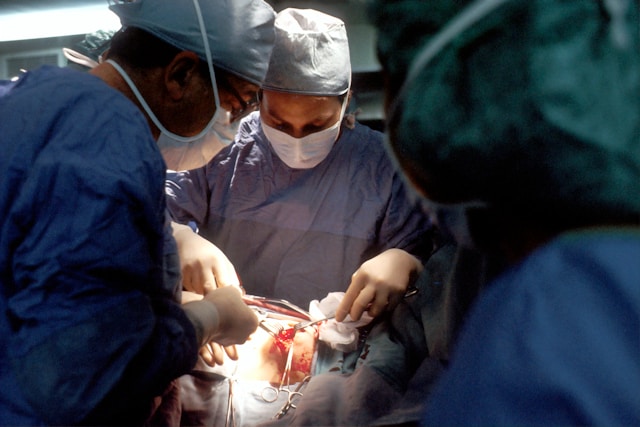
Rejuvenating Mobility: The Latest Advances in Knee Replacement Surgery
Key Takeaways
- Advancements in knee replacement surgery have significantly improved patient outcomes.
- Technological innovations such as robotic-assisted surgery are making procedures more accurate.
- Understanding the recovery process can help patients prepare better.
- Pre-surgery preparation plays a crucial role in successful outcomes.
Table of Contents
- An Overview of Knee Replacement Surgery
- Technological Advancements in Knee Replacement
- Benefits of Modern Knee Replacement Techniques
- Pre-Surgery Preparation Tips
- Post-Surgery Recovery: What to Expect
- Real-Life Examples of Successful Knee Replacements
- Final Thoughts
An Overview of Knee Replacement Surgery
The procedure known as knee arthroplasty, or knee replacement surgery, is a common and successful way to reduce pain and enhance mobility for individuals with significant knee injuries. This surgery can be highly beneficial for individuals suffering from conditions like osteoarthritis, rheumatoid arthritis, or post-traumatic arthritis. During this procedure, the surgeon removes and replaces damaged cartilage and bone with an artificial joint that imitates the natural movement of the knee.
According to the Arthritis Foundation, knee replacement is especially advantageous for those experiencing debilitating knee pain that curtails their daily activities and reduces their quality of life. It has relieved millions globally, allowing them to return to regular routines with minimal discomfort. This type of surgery has become increasingly common as the population ages, and the prevalence of arthritis rises.
Technological Advancements in Knee Replacement
In the past few years, there have been major technological advancements in knee replacement surgery, leading to a significant change in how these procedures are carried out. Innovations like robotic-assisted surgery and 3D-printed implants have introduced a new era of precision and customization. Robotic technology assists surgeons in planning and executing the surgery with unparalleled accuracy, minimizing the risk of human error. This precision translates to better alignment of the knee components, which is crucial for the longevity and functionality of the artificial joint. One standard option is partial knee replacement Charleston SC, which can be particularly suitable for individuals with localized osteoarthritis who haven’t responded to other forms of treatment.
Robotic-Assisted Surgery
Robotic-assisted surgery involves using robotic systems to aid surgeons in executing the procedure. These systems enhance the surgeon’s capabilities and provide a consistent and highly accurate outcome. The robotic system creates a 3D model of the patient’s knee, allowing for pre-surgical planning and real-time adjustments during the operation. Such innovations minimize tissue damage, reduce blood loss, and quicker recovery times. You can read this article from Johns Hopkins Medicine for more detailed insights on robotic technology.
3D-Printed Implants
In addition to robotic assistance, 3D printing technology has created highly customized implants tailored to the patient’s unique anatomy. This customization ensures a better fit and more natural knee movement post-surgery. These patient-specific implants can also reduce the risk of complications such as implant loosening or misalignment. By integrating these state-of-the-art techniques, surgeons can provide a more personalized approach, leading to superior surgical outcomes.
Benefits of Modern Knee Replacement Techniques
The introduction of modern techniques in knee replacement has brought numerous benefits to patients. One of the most notable benefits is reduced post-surgery pain. Enhanced surgical methods and minimally invasive procedures mean less trauma to surrounding tissues, significantly lessening the patient’s discomfort during recovery. Additionally, the smaller incisions in minimally invasive techniques produce less scarring and a more cosmetic result.
Another key advantage is the shorter recovery period. Thanks to advanced surgical techniques and improved pain management protocols, patients can mobilize faster and return to their normal activities much sooner. Studies have shown that modern knee replacement techniques not only enhance the durability of the artificial joint but also improve the overall function, allowing for more natural movement. This means patients can partake in low-impact activities and enjoy a better quality of life without the limitations posed by knee pain.
Pre-Surgery Preparation Tips
Preparation is crucial to ensuring a successful knee replacement surgery. Patients are frequently recommended to engage in physical therapy before surgery to build up the muscles around the knee. This can significantly ease the surgery and expedite the recovery process. Engaging in exercises that improve flexibility and strength in the knee can make a substantial difference in postoperative outcomes.
Physical Therapy
Engaging in a specific workout plan suggested by a physical therapist can enhance the knee joint’s strength and flexibility. This makes the surgery easier to perform and aids in a smoother recovery process. Exercises such as leg lifts, seated knee extensions, and gentle stretching routines can be beneficial in preparing the knee for surgery.
Diet and Lifestyle
It is just as crucial to have a well-rounded diet and stay active for a healthy lifestyle. Consuming a diet high in necessary nutrients such as proteins, vitamins, and minerals can support the process of tissue healing and regeneration after undergoing surgery. Additionally, achieving an optimal weight can reduce the strain on the knee joint, making the surgery more effective. Giving up smoking and cutting back on alcohol consumption can additionally improve the process of healing and recuperation.
Post-Surgery Recovery: What to Expect
Understanding the recovery process after knee replacement surgery can help set realistic expectations. Generally, patients can expect to stay in the hospital for a few days post-surgery. During this period, the focus is on managing pain and beginning physical therapy exercises. Physical therapists work with patients to start gentle movements of the knee to prevent stiffness and improve circulation.
Initial Recovery Phase
The initial recovery phase involves pain management and the commencement of physical therapy almost immediately after surgery. Following the therapist’s instructions and performing the recommended exercises regularly is essential. These early movements can help prevent complications such as blood clots and ensure a faster recovery.
Long-Term Recovery
Long-term recovery involves gradually returning to daily activities and continuing a structured exercise program to maintain knee strength and flexibility. Regular follow-up appointments with the healthcare provider are essential to monitor the healing process and ensure that the artificial joint functions as expected. By adhering to the prescribed rehabilitation program, patients can achieve optimal results and enjoy a more active lifestyle within a few months post-surgery.
Real-Life Examples of Successful Knee Replacements
Many individuals from various walks of life have undergone successful knee replacement surgeries and returned to active lifestyles. Consider the case of Jane, a retiree who suffered from chronic knee pain due to arthritis. After knee replacement surgery, Jane resumed her daily walks and even took up tennis, a sport she had long since abandoned. Stories like Jane’s are familiar and illustrate the remarkable benefits of modern knee replacement surgery.
A recent article from the New York Times health section highlighted numerous success stories, showcasing how individuals can achieve remarkable recovery and return to their preferred activities with proper care and a positive mindset. These real-life examples underscore the life-changing impact of knee replacement surgery and inspire others to seek similar solutions for their knee pain.
Final Thoughts
In the dynamic field of medical science, knee replacement surgery continues to evolve, offering patients improved outcomes and quicker recovery times. With advancements in technology and better pre-and postoperative care, those affected by severe knee problems have a viable path to regaining mobility and quality of life. These surgical advancements promise enhanced longevity and functionality of the artificial joints and improve the overall patient experience, making knee replacement a highly effective solution for those suffering from debilitating knee conditions.

